


Memorial Day is one of those days that asks more of us than the calendar usually does.
Most holidays invite us to celebrate something. Memorial Day invites us to remember someone.
That is different.
It is quieter. Heavier. More personal, even when the person being remembered is not someone we knew directly. It asks us to pause in a world that does not pause very well. It asks us to consider the cost behind the freedoms we often enjoy without thinking much about them. It asks us to hold gratitude and grief at the same time.
That is not always easy.
We are not always good at grief. Sometimes we avoid it. Sometimes we rush through it. Sometimes we try to move past it too quickly because sitting with loss can feel uncomfortable. But grief is not always something to defeat. Sometimes grief is proof that love had weight. That someone mattered. That a life left an imprint that does not simply disappear because time has passed.
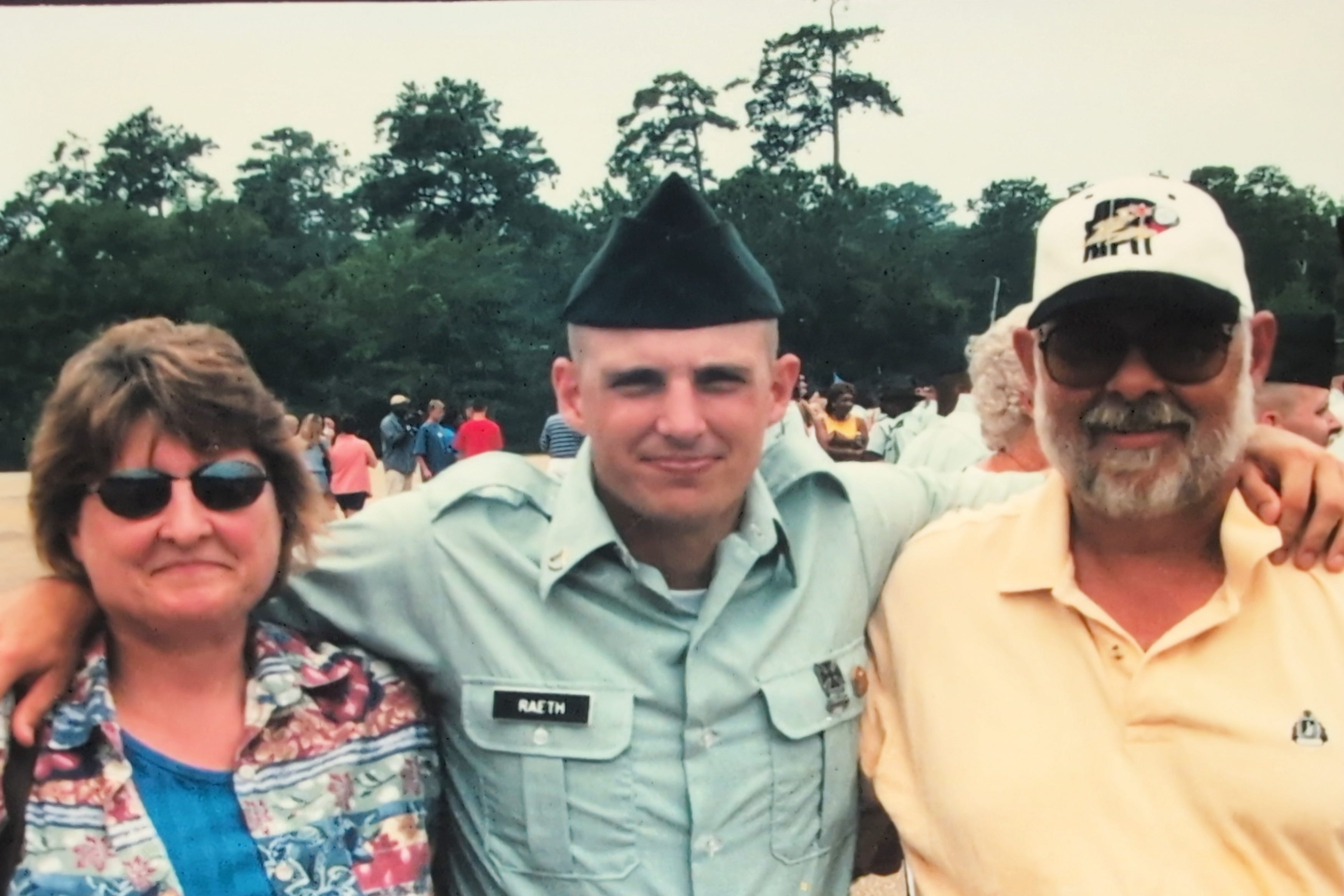
This October will mark five years since we lost my dad.
Five years is a strange amount of time. It is long enough that life has continued in all the practical ways it must. Birthdays have come and gone. Holidays have been celebrated. Family moments have happened. Work has continued. Grandchildren have grown. The world has kept moving.
And yet, in other ways, five years does not feel very long at all.
Grief has a way of bending time. Some memories feel distant, almost like they belong to another life. Others feel close enough to touch. A certain phrase, a familiar place, a family gathering, a quiet moment, and suddenly the absence is present again.
That is one of the things I have learned about healthy grief. It does not mean the sadness disappears. It means the sadness finds its proper place. It becomes part of the story, but not the whole story.
When I think about my dad now, I do not only think about the loss. I think about the gift of having had him. I think about the lessons, the example, the moments that still shape me. I think about the ways a father continues to influence his children long after he is gone. His voice may no longer be in the room, but his impact still is.
That is remembrance.
At its heart, remembrance is not simply thinking about the past. It is choosing not to let the past disappear. It is saying that a life mattered enough to keep speaking of it. It is allowing love to continue taking the form of memory, gratitude, and example.
Memorial Day gives us a national moment to practice that kind of remembrance.
For families who have lost someone in service to this country, Memorial Day is not abstract. It is not just a long weekend, a parade, a cookout, or the unofficial start of summer. It is a name. A face. A chair that is empty. A story that still gets told. A life that changed the lives around it.
For the rest of us, the day is an opportunity to enter that remembrance with humility. Not to pretend we can fully understand another family’s loss, but to honor it. To recognize that freedom has never been free in the sentimental sense we sometimes say it. It has carried real human cost. Real families. Real futures. Real grief.
And yet, healthy remembrance is not only sorrowful. It is also deeply grateful.
That is part of what makes Memorial Day so meaningful. It reminds us that grief and gratitude are not opposites. They often belong together.
We grieve because something was lost. We are grateful because something was given. We mourn the life that ended, while honoring the courage, service, and sacrifice that life represented.
I feel that tension when I think about my dad. I can miss him and be grateful for him at the same time. I can wish he were still here and still recognize how fortunate I was to have him as long as I did. I can feel the ache of his absence while also seeing the evidence of his life in the people he loved, the lessons he taught, and the family that continues forward.
That may be one of the healthier ways to understand grief. Not as a problem to solve, but as love learning how to live with absence.
Healthy grief gives us permission to remember without being trapped. It allows stories to be repeated. It understands that certain days will always feel different. It does not demand that people “get over” what was never meant to be dismissed.
There is a difference between being stuck in grief and being shaped by it.
Being stuck in grief keeps us from living.
Being shaped by grief teaches us to live with deeper appreciation.
Memorial Day, in its own way, teaches the same lesson.
We remember the fallen not so we can remain only in sorrow, but so we can live more awake. More thankful. More aware of the cost of peace, liberty, service, and family. More committed to using our freedom and our days well.
A healthy society needs remembrance. A healthy family does too.
Without remembrance, sacrifice becomes distant. Stories fade. Gratitude becomes shallow. We begin to enjoy the benefits of other people’s love, work, service, and courage without carrying any sense of obligation to honor them.
Remembrance pushes back against that.
It asks us to slow down. To say the names. To visit the graves. To tell the stories. To teach our children that the people who came before them helped shape the life they now live. It asks us to make room for both tears and laughter, both sorrow and gratitude.
And then, after remembering, it asks us to live.
Not carelessly. Not selfishly. Not forgetfully.
But with gratitude.
With purpose.
With the kind of quiet responsibility that says: what was given should not be wasted.
This October, it will be five years since my dad passed. I still miss him. I expect I always will. But I am also grateful. Grateful for the time. Grateful for the example. Grateful for the memories that still show up when I need them. Grateful that grief, though difficult, is connected to love.
And maybe that is the point.
The goal is not to forget so it hurts less.
The goal is to remember in a way that honors what was real.
This Memorial Day, may we remember well.
May we grieve honestly.
May we give thanks deeply.
And may we live in a way that proves we have not forgotten.
This is beautiful. The fact that it has been almost five years since we experienced your dad’s smile and laughter shocked me and made me miss him more. The memory of him is a gift. He was treasured by those who knew him, whether it was an older friend, like my dad, or a small child who received a roll of smarties from “The candy man.”
Grief is such a mix of other emotions, as you wrote. In July it will be 14 years since the death of another of our friends, IIsaiah T. He was only 18 and had a whole life ahead, we thought. I often wonder why God took such a young man home. In some ways it seems so unfair, but yet he is experiencing Heaven. That’s a pretty awesome place to spend upeternity. It’s a blessing to know both he and your dad are in Heaven. God gives us amazing blessings, even if they are out of our reach for a time. I look forward to seeing them both again someday.